What’s Wrong With Your Car?
Get Simple Answers Fast.
Did you land on the wrong page? 🚘 Start Your Diagnosis Here. 🚘
by Eddie Carrara
I’ve been working on cars for over 35 years.
I’m an ASE-Certified Master Technician, and I’ve spent most of my life diagnosing and repairing vehicles—starting right out of high school and continuing ever since.
But this site isn’t about me.
It’s about helping you understand your car—and avoiding unnecessary repairs.
5 Reasons Why a Car Makes a Knocking Noise When Driving Over Bumps

Is Your Car's Knocking Noise Visible or Hidden?
If your car is making a knocking noise when driving over bumps, here are five components to look at before you bring it in to your mechanic.
Before we dive into the diagnosis, I need to let you know that not all noises are easy to find. Some are hidden in internal components that aren't easily visible, for example, struts and steering racks. Video and pictures tell a thousand words, and I will be using them throughout this article.
If your brakes are making a grinding noise, 👉 Stop Guessing and Start Diagnosing Here
If your Brakes are making a squeaking noise, 👉 Don't Ignore It, Find Out Why
If your not sure what your brakes are doing, It Could Cost A Lot More If You Wait, Get The Answers Here
1. Steering Rack Noise
Steering rack end bushings can wear out and cause a knocking noise. If you suspect your steering rack is causing a knocking noise while driving on uneven road surfaces, here is one way to check for play in the steering rack end bushings.
- Jack up the front of your vehicle and support it under the frame with jack stands.
- Then grab the front tire at nine o'clock and three o'clock, give it a shake from side to side, and have someone keep an eye on the inner tie rod.
- If you notice any unusual movement or you feel a knocking in the tire, you may need to peel back the steering rack boot and check for damage, movement, or wear.
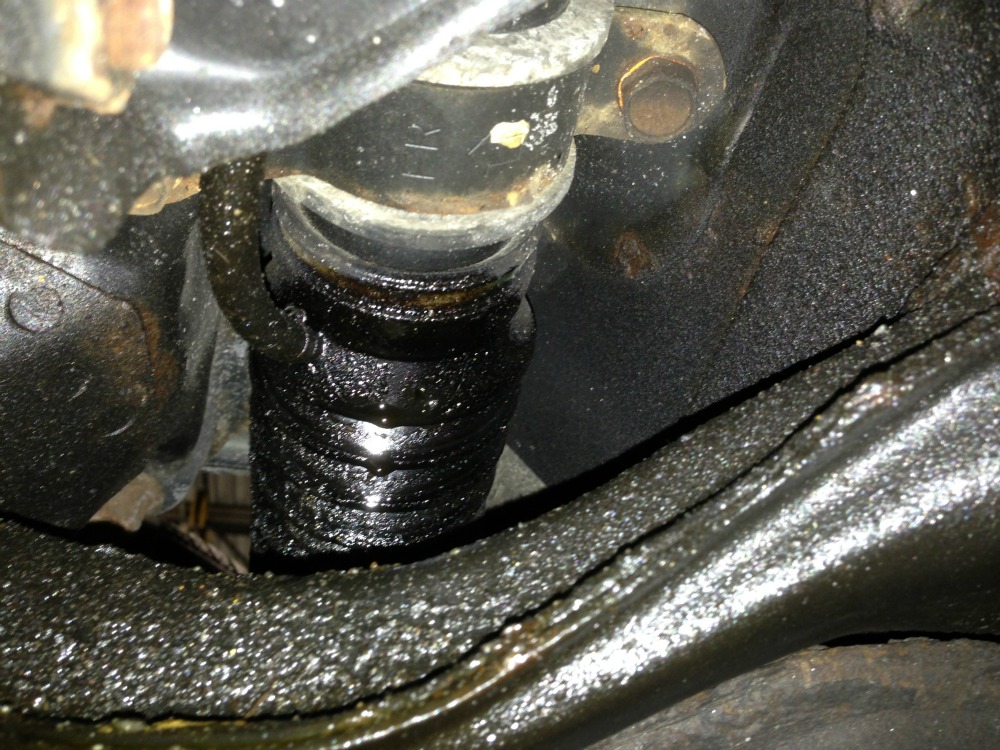
A sure sign of a rack end bushing failure is fluid leaking from the steering rack boot located at the inner tie rod. If you take a peek at the boot and notice it's wet with fluid, most likely the rack end seal is leaking because of play or movement in the rack end bushing.
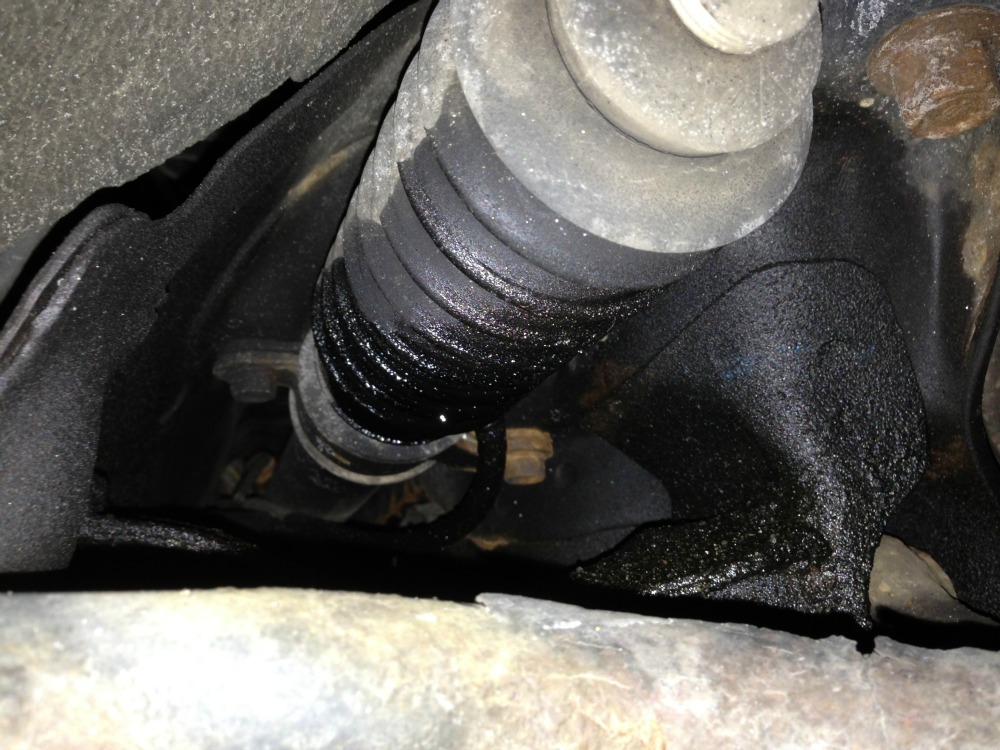
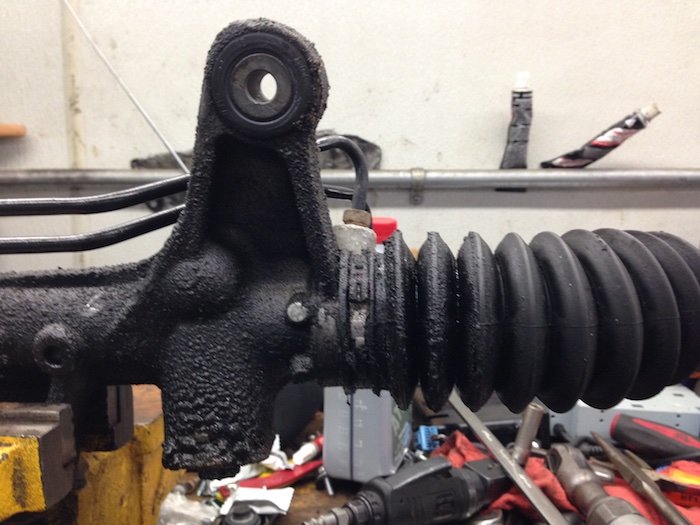
Leaking steering rack end seal. The leak is starting to seep through the boot. The picture below to the right is a deteriorating steering rack bootie to the power steering fluid leak, and to the left is a steering rack removed from the vehicle because both rack end seals were leaking and the rack couldn't be repaired.
 |
 |
2. Broken Sway Bar Links
Broken sway bar links are very common in most vehicles because sway bar links take a lot of abuse and are not very rugged. The sway bar link is a little rod, built like a shoulder joint in the human body but with a ball and socket joint on each end. See the sway bar link near the beginning of the video below. Each end of the link has a nylon bushing ball socket with a steel ball inserted into it that has a threaded end.
The fix for this is to replace the sway bar link and hardware. It’s not a very difficult repair unless the sway bar link is in a very tight area, like over one of the subframes. If that’s the case it may take a little longer to dig out the broken pieces.
3. Worn Sway Bar Bushings
Sway bar bushings are not part of the sway bar links; the bushings I’m talking about are located under the brackets that hold the sway bar to the frame or body of the vehicle. These small inexpensive bushings wear out over time and can cause a knocking noise while driving over small cracks and bumps in the pavement.
- If you suspect this may be your problem and you would like to do a quick check, have a friend sit in the vehicle and close the door so they can listen for the noise.
- You stay outside the vehicle, grab the roof right above the driver's door, and rock the vehicle from side to side like you are trying to roll it up on its side.
- If the person inside the vehicle can hear the noise, your sway bar bushings will need to be replaced.
Replacing sway bar bushings is an easy fix unless they are located on top of a subframe or hidden away. Many bushings and brackets are easy to get to and only require the removal of two bolts on each bracket.
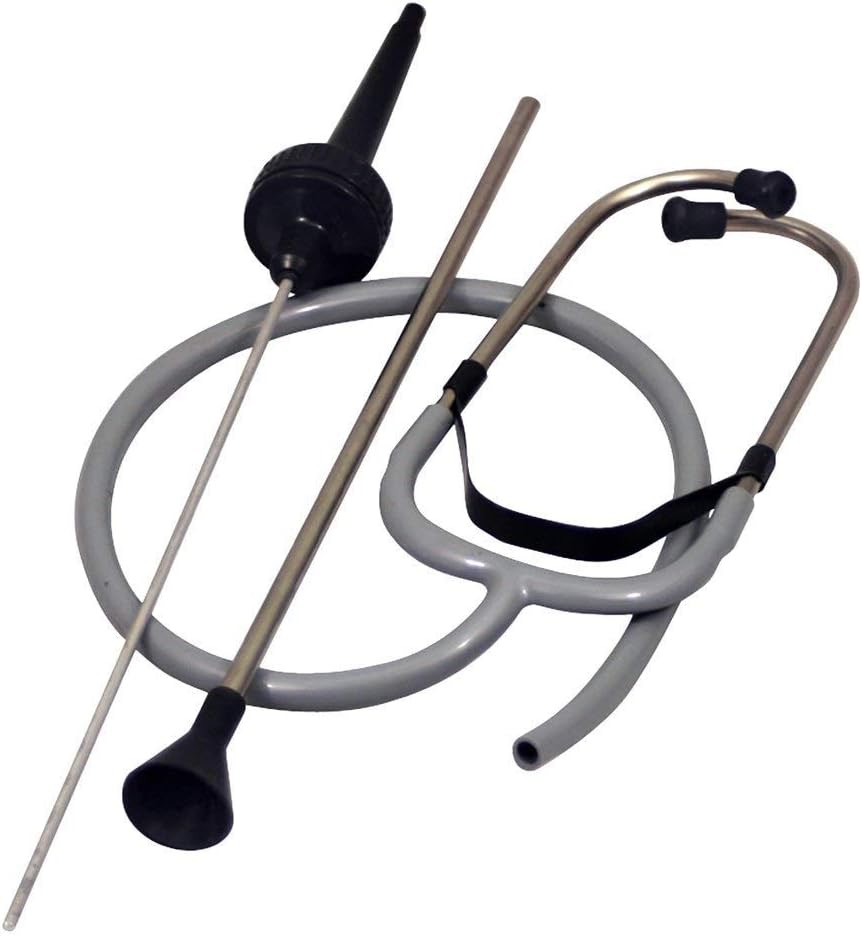 |
The automotive stethoscope is a great tool for identifying the location of a noise in your vehicle. I have one in my toolbox at work and at home. They save you time and money because you can pinpoint the noise location quickly and you won't change unnecessary parts hoping the noise will go away. |
4. Leaking Struts or Worn Strut Bushings
Worn or damaged struts can make a clunking or thumping noise when you ride over bumps and large cracks in the road. Leaking struts are easy to diagnose if the leak is external, but if the leaks are internal, you’ll need to do a bounce test on the vehicle to know if the seals are blown internally.
- The bounce test is just that: bouncing the car up and down and then releasing it to bounce on its own until it stops.
- Once you let go of the vehicle, it should not bounce more than three times on its own. If it does, you’ll need to replace the struts, and I recommend replacing them in pairs.
If you inspect the struts and you notice a lot of fluid and dirt collected on the strut, like in the picture below, it's time to replace the struts, and again, I recommend replacing them in pairs for equal ride quality on both sides of the suspension. But if money is tight, you could just replace the leaking strut until you have the money to replace the second one.
Strut bushings should be inspected visually. The strut will have to be removed to inspect the top bushings, but if the bottom of the strut has bushings, they should be easy to locate and inspect.
Shock absorbers are inspected the same way; most shock absorbers have a lower and upper bushing and are usually easier to remove than struts.
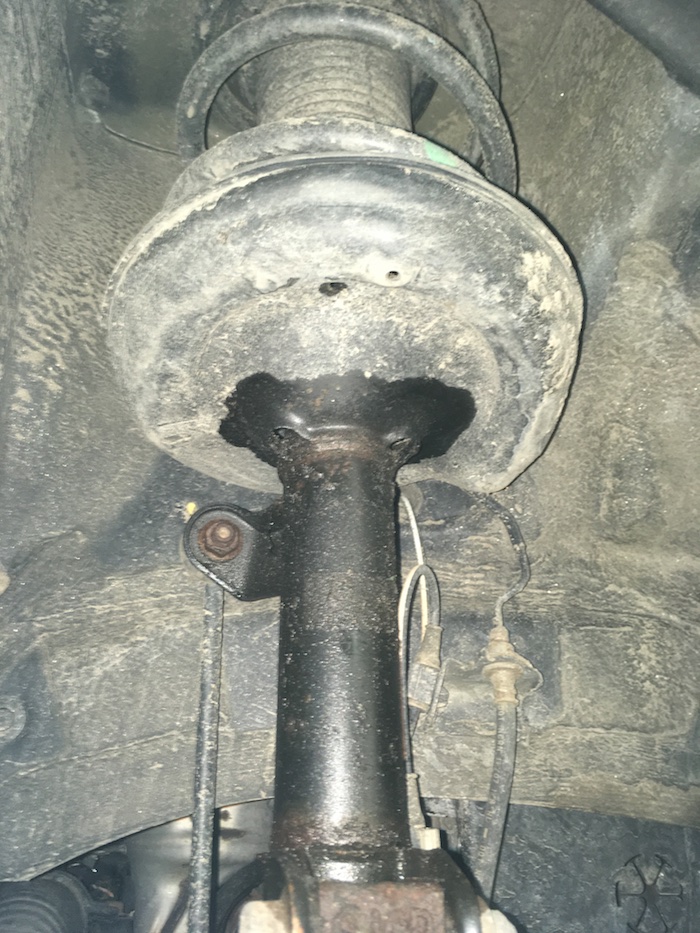
Oil leaking from the strut. If all the oil leaks out, this strut will start to make a knocking noise over bumps and cause excessive tire chop.
5. Worn Ball Joints
There are several ball joints in a vehicle, some located in the front suspension and some in the rear suspension. Ball joints are another ball-and-socket combination: a nylon socket with a steel ball. The nylon socket usually wears out first, usually because of lack of lubrication or because of abuse, like from potholes.
There are several types of ball joints and they are not all created equal. Some ball joints are held in by clips, others are pressed in or bolted in. They all work the same way: by allowing the suspension to move and turn easily, until the ball joint becomes worn and noisy.
Not all ball joints are checked in the same manner when testing them for damage or play. Some need to be suspended with no pressure, others need to be persuaded with a large pry bar. I recommend either having them checked professionally or looking up the proper inspection method for your vehicle in one of the maintenance books or YouTube videos.
Knocking Noises From Other Car Components
You probably have guessed by now that there are a lot of other components that can cause banging, rattling, and knocking noises; I just covered the five most common ones above.
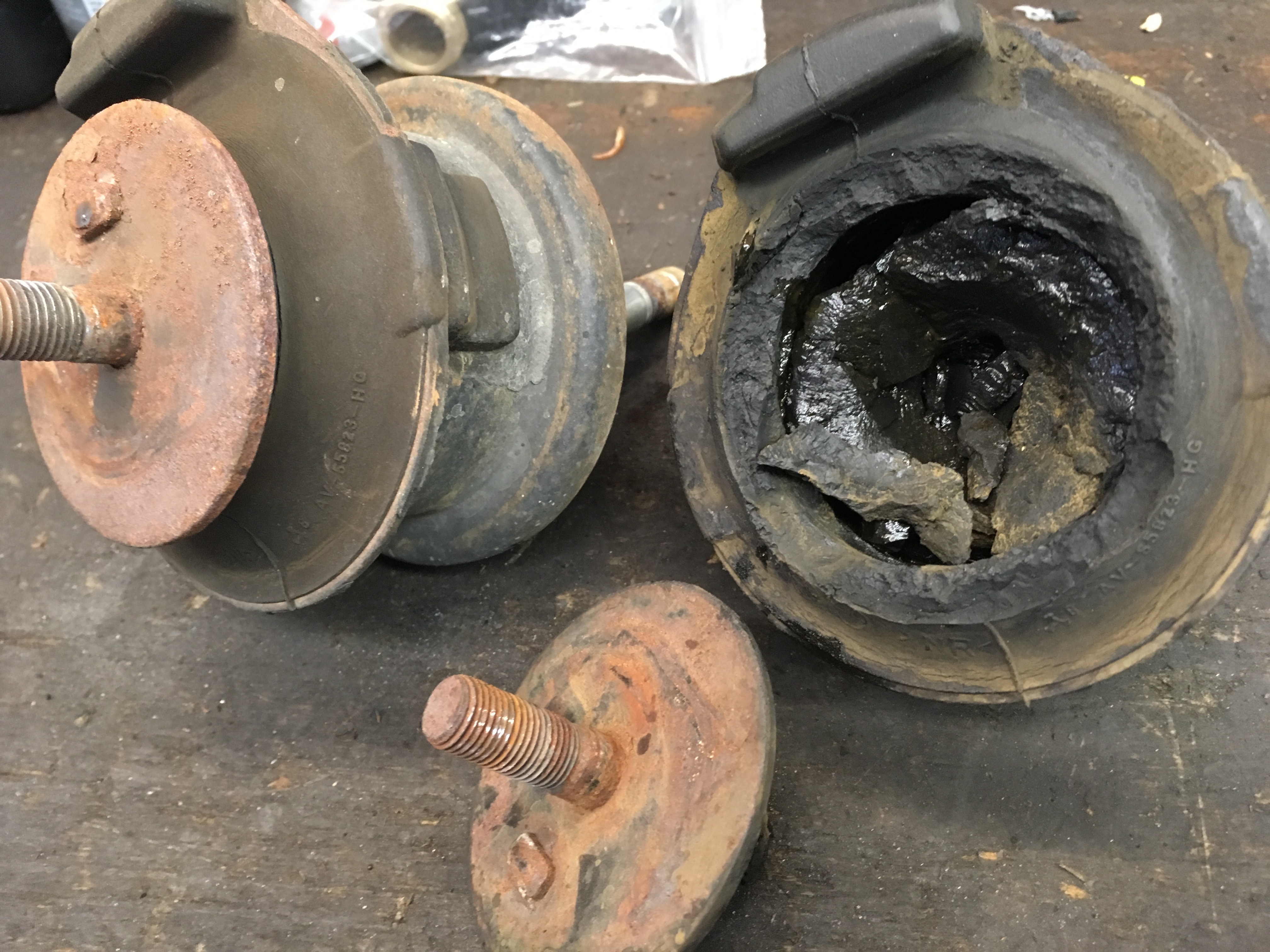
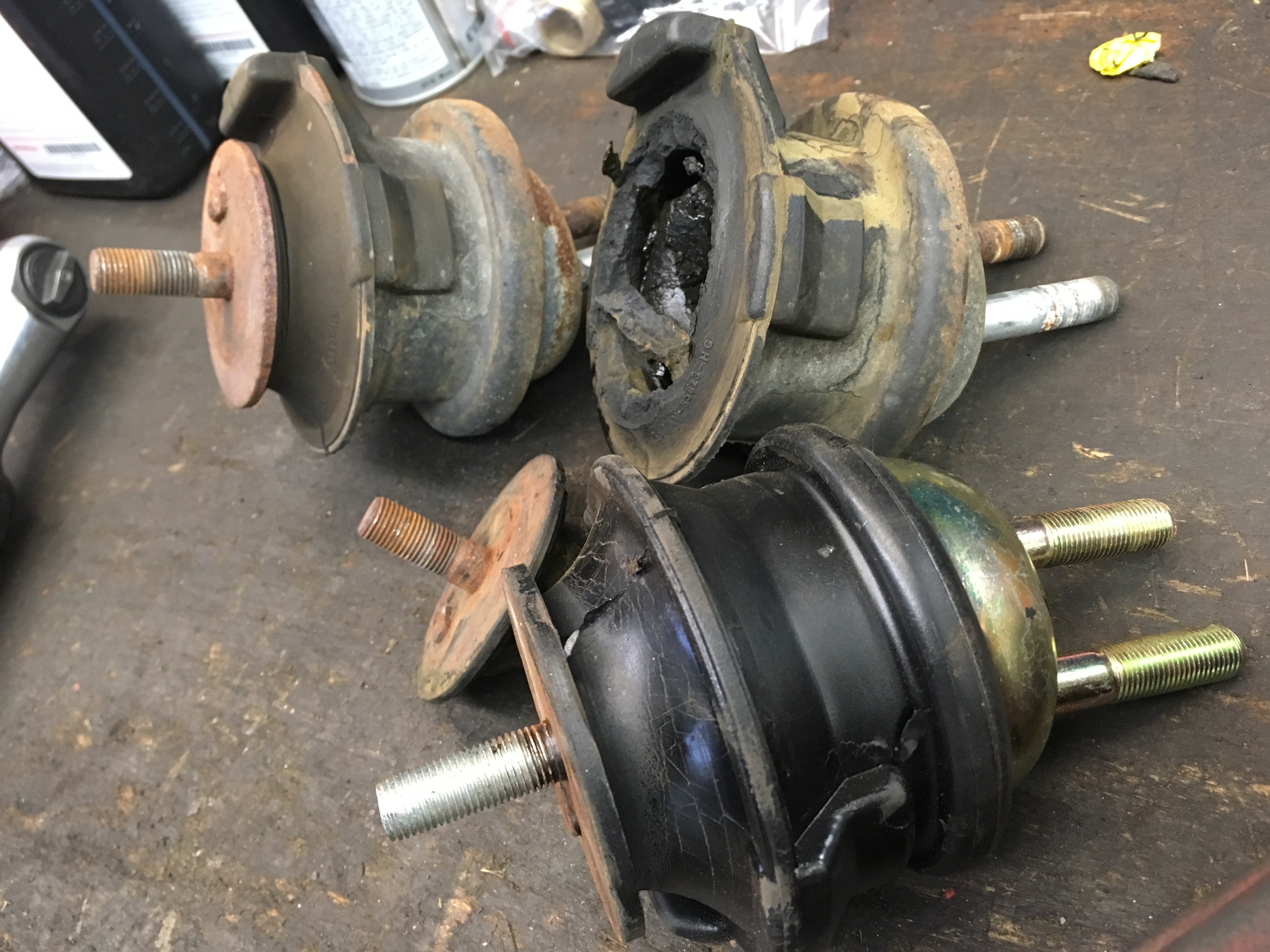
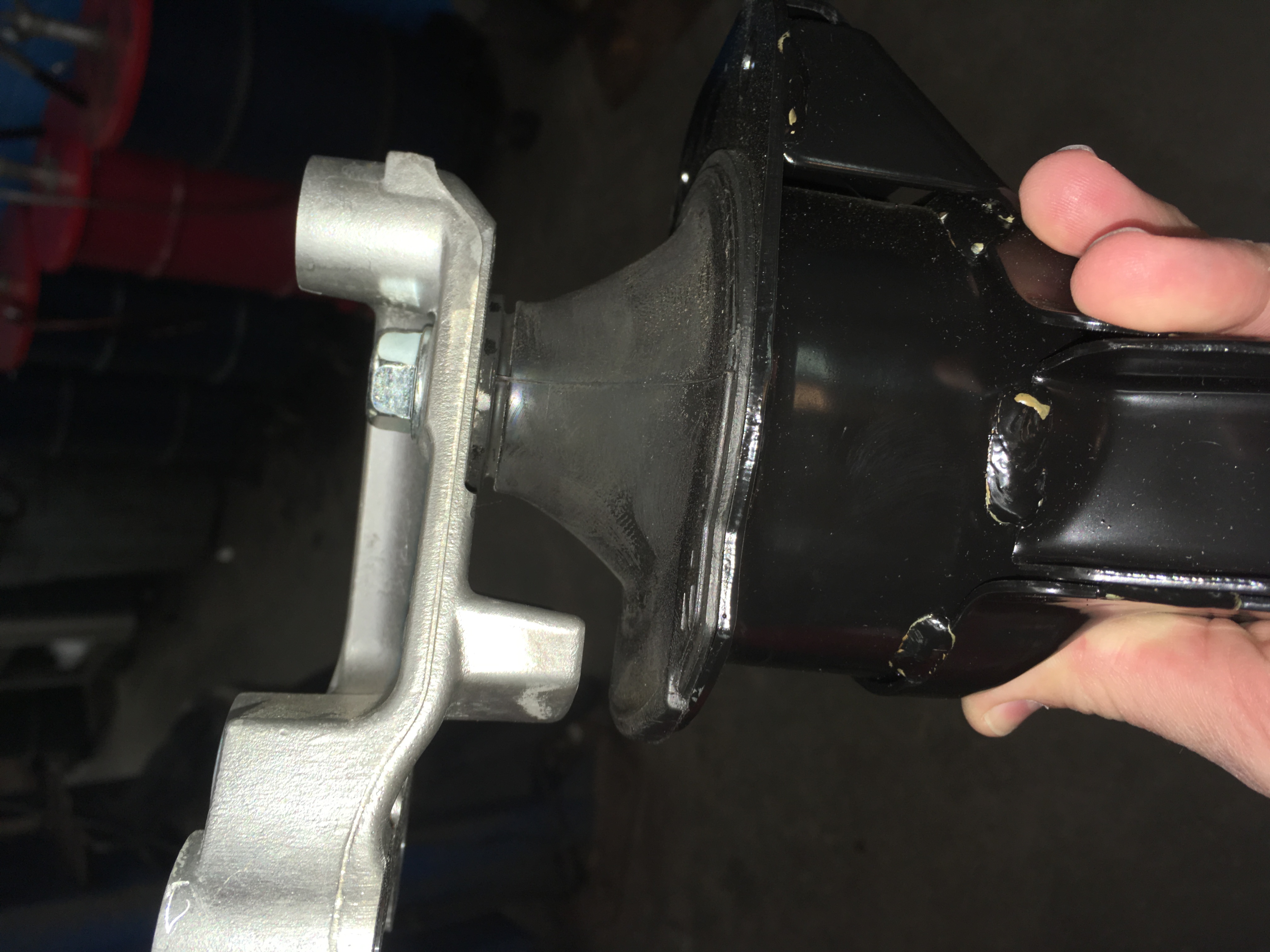
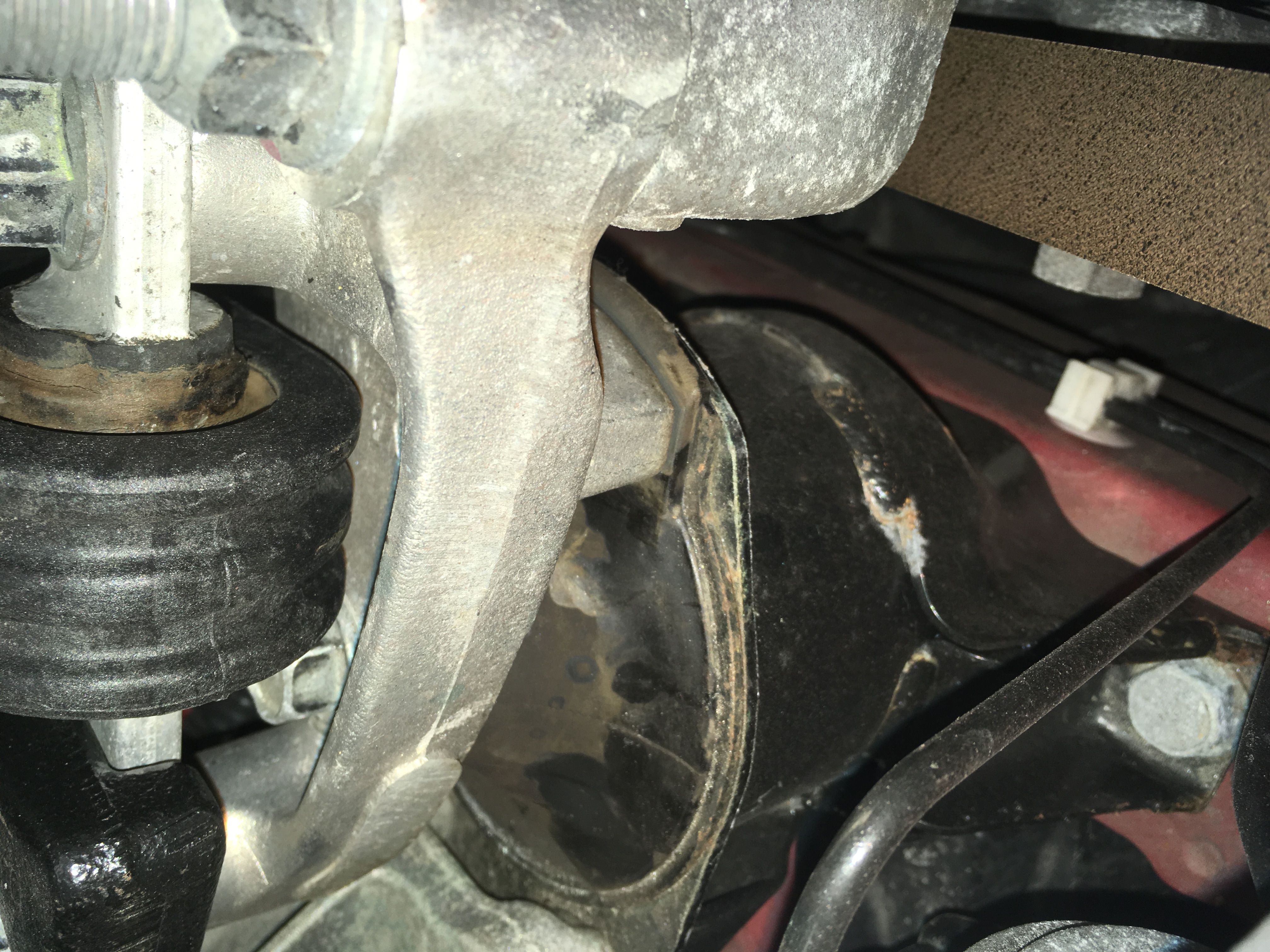
In the pictures below, you find some other components that are also often the culprit for these types of noises—hopefully, they point you in the right direction to find out what is causing the noises in your vehicle.
These are motor mounts that have failed. When a motor mount fails it can cause all kinds of knocking noises because nothing is holding the motor to the frame and the engine is flopping around in the engine bay. There's at least three more mounts.
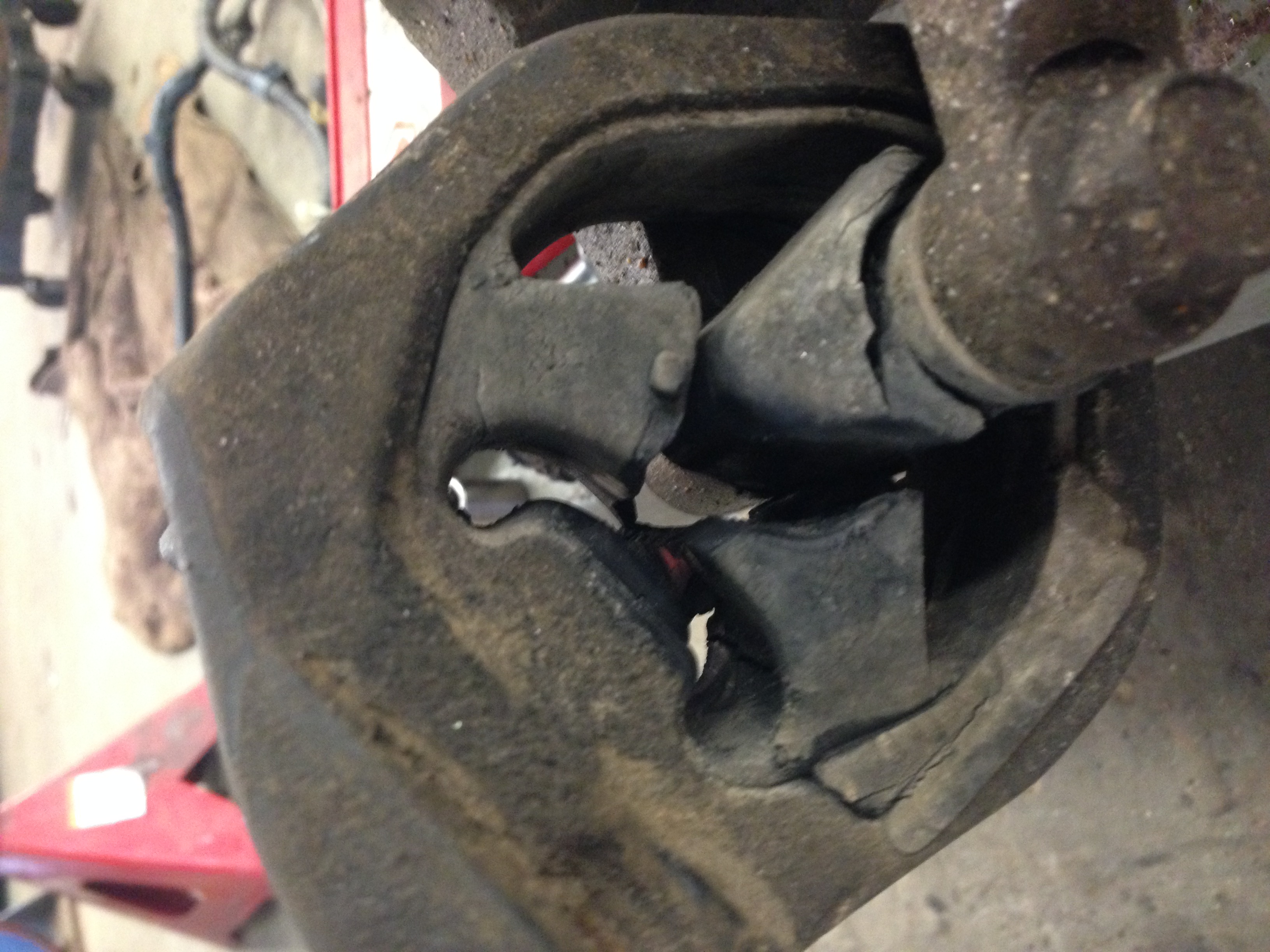 |
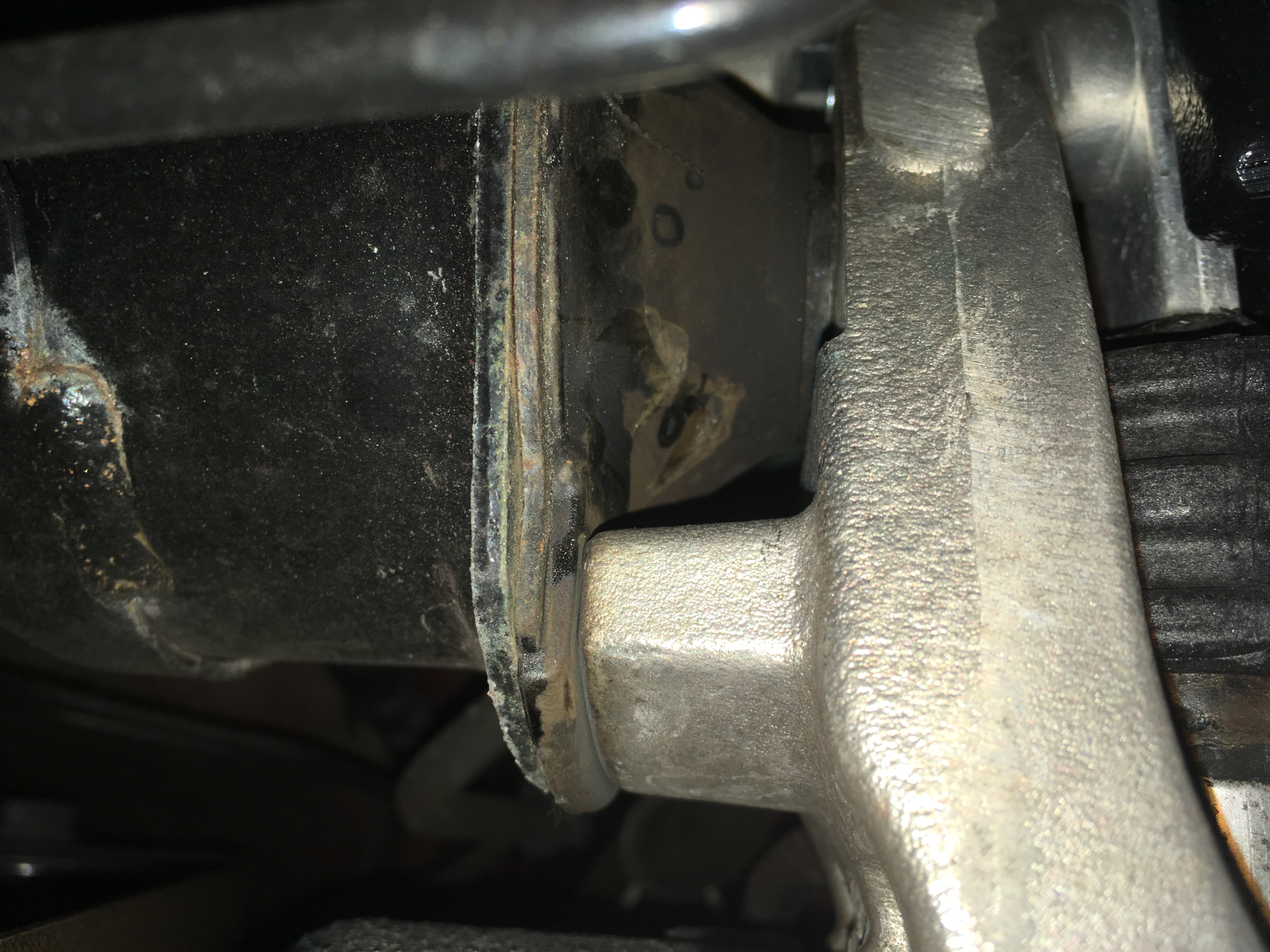 |
 |
 |
 |
 |
This article is accurate and true to the best of the author’s knowledge. Content is for informational or entertainment purposes only and does not substitute for personal counsel or professional advice in business, financial, legal, or technical matters.
